
As high-desert climate patterns shift and summer heatwaves intensify across New Mexico, taking care of your vehicle has become an absolute safety requirement. Extreme atmospheric warmth can quickly degrade moving parts, dry out essential fluids, and put significant strain on internal components that were not designed for harsh environmental conditions. Neglecting this seasonal transition dramatically increases the threat of unexpected roadside breakdowns, equipment failure, and critical tire damage on blistering roadways. Preparing your vehicle to withstand these environmental challenges requires a comprehensive, defensive strategy.
Combating Extreme Heat and Heat Damage Protection
- Battery Check: Scorching summer weather accelerates internal battery grid corrosion and electrolyte evaporation. Request a comprehensive diagnostic test to confirm your vehicle's optimal starting capacity and prevent unexpected stranding.
- Belts and Hoses: Blistering ambient temperatures can cause rubber belts and coolant hoses to dry out, fracture, or stretch, potentially leading to a sudden failure of the alternator or cooling system.
- Air Conditioning Check: Test your cabin cooling system now to uncover hidden leaks or diminished airflow, helping you avoid prolonged repair timelines when summer demand peaks at the service drive.
- Thermal Shielding: Cabin interiors frequently reach or exceed normal operational comfort thresholds on milder afternoons. Utilizing high-quality sunshades protects sophisticated dashboard instrumentation and fine interior upholstery from damaging ultraviolet radiation.
Tire Safety and Summer Performance Metrics
- Cold Inflation Calibration: Determine your tire inflation level using a reliable pressure gauge when tires are "cold"—defined as parked for at least 3 hours or driven less than 1 mile.
- PSI Adherence: Consistently maintain the specific inflation level prescribed by the manufacturer on the driver-side door jamb placard or owner's manual, rather than utilizing the maximum rating stamped on the tire.
- Structural Inspections: Frequently scan tire surfaces for indications of heat-related deterioration, such as cracking along the sidewalls, uneven tread degradation, punctures, or hazardous air blisters.
- Load and Tire Alignment: Elevated speeds and heavy cargo configurations place immense stress on tire compounds during intense heatwaves. A precise wheel alignment promotes uniform wear and enhances overall driving safety.
Maximizing Fluid Health and Cooling System Integrity
- Cooling System Optimization: Ensure your vehicle's radiator, water pump, and thermostat function flawlessly. Always use premium engine coolant engineered with an elevated boiling point to help suppress overheating.
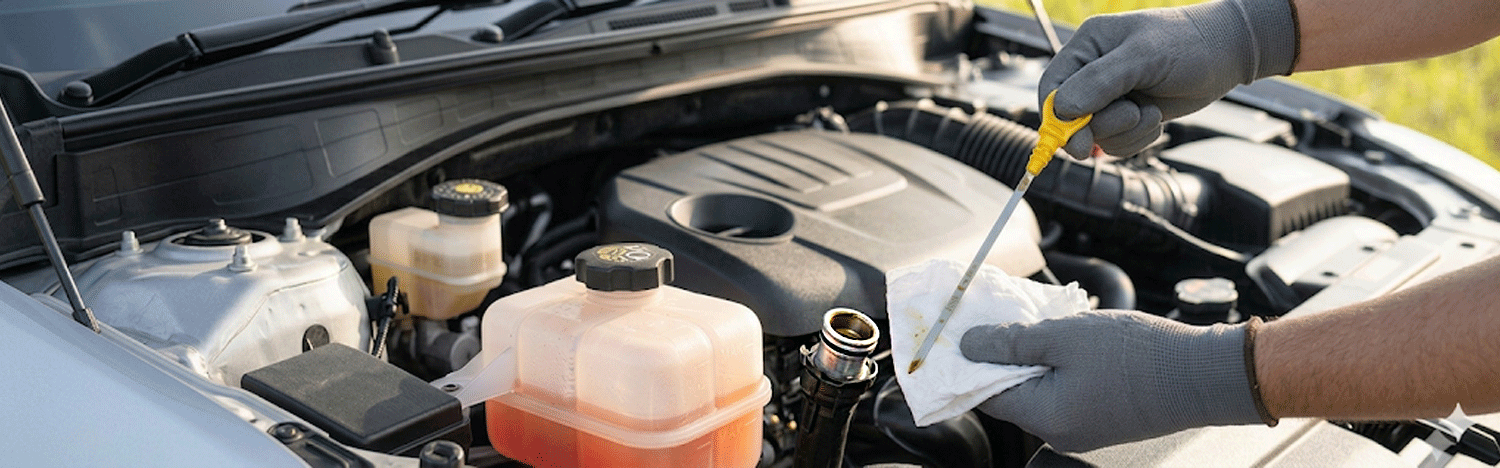
- Fluid Level Audits: Perform systematic checks of vital under-hood fluid levels—such as engine oil, transmission fluid, and brake fluid—confirming they are clean, unadulterated, and correctly filled.
- Visibility Refresh: Replace windshield wiper blades degraded by winter weather to guarantee clear visibility during sudden monsoon downpours, and ensure the washer reservoir is fully replenished.
- Rust Prevention: Perform a comprehensive undercarriage wash to eliminate accumulated road debris or sand from previous travel. Promptly address any exterior paint imperfections to prevent elevated humidity and heat from generating corrosion.
Schedule Your Seasonal Service
Avoid extreme temperatures that could disrupt your summer driving. Arrange a bumper-to-bumper vehicle inspection at the Reliable Chevrolet NM Service Center today. Secure your appointment prior to the seasonal rush to ensure your vehicle is fully prepared for the challenging months ahead. Please reach out to us today for more details.
